
Loading...
Serving Compton, CA and surrounding areas. (424) 447-1306
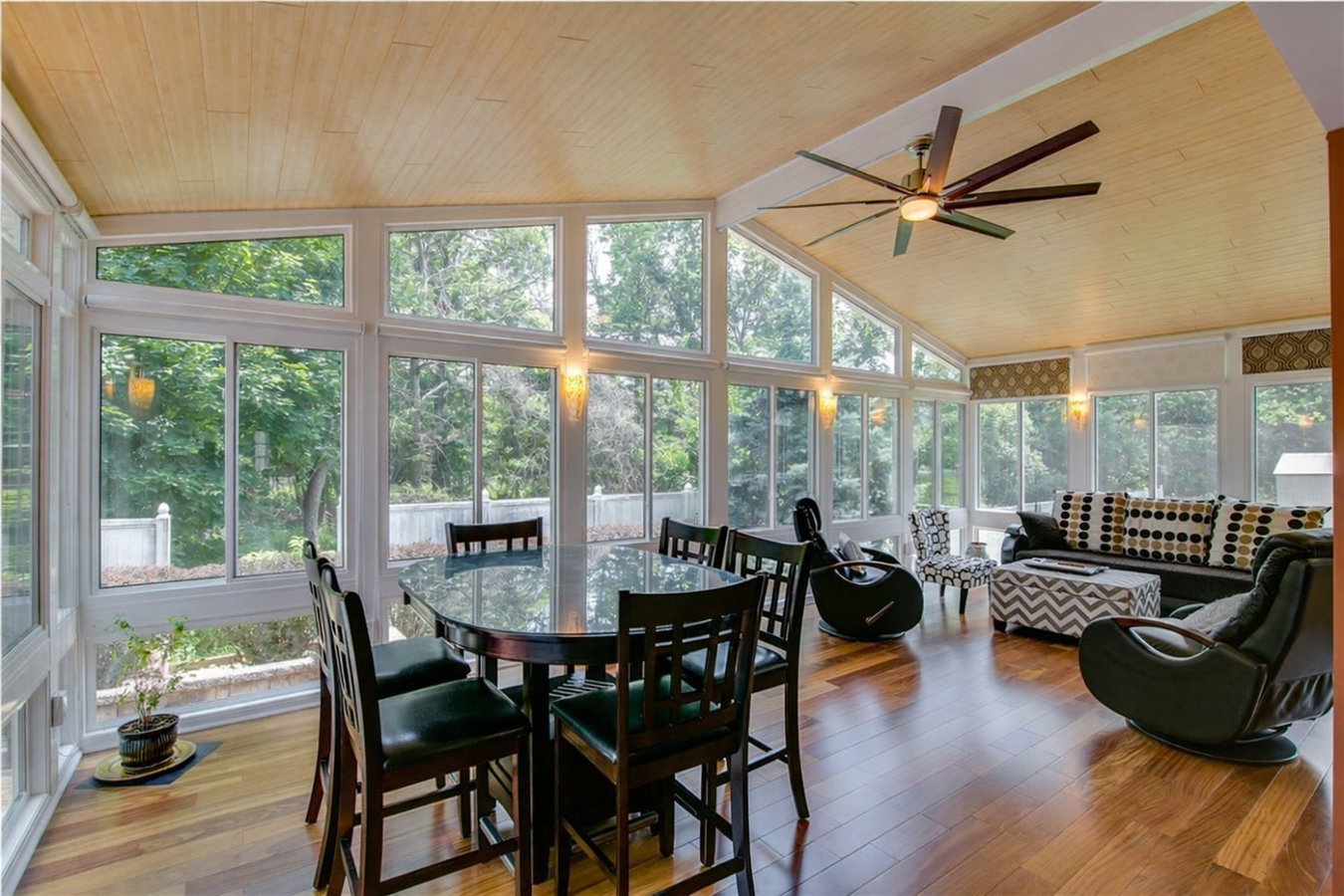
Stop losing your backyard to summer heat and winter rain. We build all season rooms in Compton that are comfortable, permitted, and built to last in Southern California.
An all season room in Compton is an enclosed addition with insulated walls, real windows, and a heating and cooling connection - so you can use the space comfortably in every month of the year. Most projects take eight to fourteen weeks from contract to final permit sign-off, with one to three weeks of active construction once permits are approved.
Unlike a basic patio cover or a screened porch, an all season room in Compton works on a 95-degree August afternoon and on a cool January evening. It is a real room that happens to have more natural light than the rest of your house. Many homeowners who start with a simpler idea - like an enclosed patio room - eventually realize they want the full climate-control capability that makes the space livable year-round, not just on mild days.
The difference between an all season room and a three-season room comes down to insulation and climate control. If you want to use the space in Compton's peak summer heat without a ceiling fan barely keeping up, you need the all season build - insulated glass, properly sealed walls, and a real HVAC connection. Every project we do is permitted through the City of Compton, which is the only way to ensure the addition counts toward your home's appraised square footage.
Compton summers are long, hot, and intense. If your outdoor patio is uncomfortable by mid-morning from late spring through early fall, you are losing the use of a major part of your home's footprint for half the year. An all season room with heat-blocking glass and climate control changes that equation - the same space becomes usable on a 95-degree afternoon without any discomfort.
A pergola or aluminum patio cover helps with shade but does nothing about heat, wind, or the occasional winter rain event. If your covered patio still feels too hot, too bright, or too open to be comfortable for more than a few minutes, you already know what is missing. An all season room adds the walls and glass that complete the enclosure and make the space genuinely livable.
Many Compton homes were built in the 1,000-to-1,500-square-foot range in the 1950s and 1960s. If your family needs more room for a home office, a playroom, or a guest space, an all season room adds that square footage from the outside without disrupting daily life inside the house. It is usually faster and less expensive than a full interior addition.
If you already have a patio enclosure and it leaks when it rains, lets in cold air at night, or has glass panels that look permanently foggy, those are signs the original installation was poor quality or has reached the end of its useful life. Fogged glass means the insulating seal between the panes has failed - the panel needs replacement, not cleaning. A new all season room build solves all three of these problems.
Every all season room we build starts with what you already have - the patio slab, the roofline, the way your home faces the sun - and works forward from there. For homeowners who want the lightest version of an enclosed space, our enclosed patio rooms service covers the basics: solid roof, weather protection, and a space that feels like indoors without full climate control. For homeowners who want the same comfort indoors during peak Compton summer heat, we build the full all season version with insulated glass, properly sealed walls, and a climate control connection.
If you want a comparable but simpler build - one that gives you natural light and protection from the elements without the insulation investment - our four season sunrooms service explains the differences and helps you figure out which build level makes sense for your home. The National Association of Home Builders has published guidance on room addition planning that is worth reviewing if you are still weighing your options.
Ideal for homeowners who want the space to function as a true room year-round - insulated walls, heat-blocking glass, and a dedicated or connected heating and cooling system.
For homeowners in Compton who primarily want heat protection and natural light, with operable windows for airflow on cooler days rather than a mechanical cooling system.
For properties where no existing slab is present - we pour the foundation and build the room as a single project, ensuring the two are matched from the start.
For Compton homeowners in HOA-governed communities - we prepare the complete architectural review submission alongside the city permit application to keep both tracks moving simultaneously.
Compton sits in the heart of the Los Angeles Basin, where summer temperatures regularly push into the mid-to-upper 90s and direct sun is intense for most of the year. That climate creates a specific problem for any outdoor room - without proper heat-blocking glass and climate control, the space becomes unusable from May through October. An all season room built for Compton conditions addresses this directly. The California Energy Commission publishes guidelines on window and glass performance relevant to Southern California's climate zones - the glass you choose matters more here than almost anywhere else in the country. Homeowners in nearby Norwalk deal with the same heat conditions and face the same decision about whether a lightweight cover or a fully enclosed all season room is the right investment.
Compton's housing stock is predominantly mid-century construction - most homes were built between the 1940s and 1970s on concrete slab foundations. Many of those slabs were poured without the drainage slope or thickness that modern construction standards require. Before any all season room project begins, we assess the existing slab honestly: whether it can be used as-is, needs leveling, or needs a new section poured alongside it. Budget surprises from slab issues are one of the most common complaints homeowners in this area have about contractors - we identify them before you sign a contract, not after work starts. Compton also sits in a high seismic hazard zone, and California's building code requires that any room addition be anchored to withstand earthquake forces. Homeowners in Paramount and the wider South LA area face the same seismic requirements, and every project we build is inspected by a city official at the framing stage to verify those connections.
We respond to all new inquiries within one business day. The first conversation is short - we ask about the size of the space you have in mind, whether you have an existing patio slab, and whether your home is in an HOA. That is enough to prepare for the site visit. No estimate is given over the phone.
During the site visit we measure the space, assess the slab condition for settling or drainage issues, and look at how the new room will connect to your home's roofline and exterior wall. Within about a week you receive a written estimate broken down by scope - including any slab repair costs identified during the visit.
Once you sign a contract we submit the permit application to the City of Compton's Building and Safety Division. Plan review typically takes two to four weeks. If your home is in an HOA, we prepare that submission simultaneously. You do not manage any of this - we handle the paperwork and keep you informed.
Active construction runs one to three weeks depending on scope: slab prep if needed, framing, insulated windows and doors, roof, electrical, and climate control connections. City inspections happen at required stages - we coordinate those. When the final inspection passes, we walk through every detail with you before you sign off on the project.
We respond within one business day. No pressure, no sales pitch - just a straight conversation about your space, what the project needs, and what it will cost.
(424) 447-1306Many Compton homes have concrete patios from the 1950s through 1970s that look usable on the surface but have settling, cracking, or drainage issues underneath. We check the slab during the site visit and tell you honestly what it needs before you commit to anything. Slab repair costs, if any, appear in your written estimate - not as a mid-project surprise.
Every all season room project goes through the City of Compton's Building and Safety Division permit process. A city inspector - independent of us - reviews and approves the work at key construction stages. You receive the permit documentation at the end, which protects your addition at resale, during refinancing, and for insurance purposes.
Compton sits in a high seismic hazard zone, and the California Geological Survey publishes the seismic hazard maps that define what construction standards apply here. We build to those standards as the baseline - not as an upgrade. The city inspector specifically checks the framing connections before walls are closed in, so you know the work has been independently verified.
You receive a written estimate broken down by scope after we see your property in person. We walk you through every line before you decide anything. The price you agree to at signing is the price on the final invoice, barring changes you ask for during construction. No ambiguous lump-sum quotes and no mid-project price increases.
Building an all season room in Compton requires knowing this city - how the older housing stock behaves, what the Building and Safety Division expects, and how Southern California's heat and seismic conditions affect the design. We build here regularly and bring that knowledge to every project.
A lighter enclosure option that gives you weather protection and usable space without the full insulation and climate control investment of an all season build.
Learn MoreExplore how a four season sunroom compares to an all season room in design, cost, and year-round performance for Compton homes.
Learn MorePermit slots fill up - the sooner we submit your plans, the sooner your room is ready before next summer. Call or send a request and we will respond within one business day.