
Loading...
Serving Compton, CA and surrounding areas. (424) 447-1306
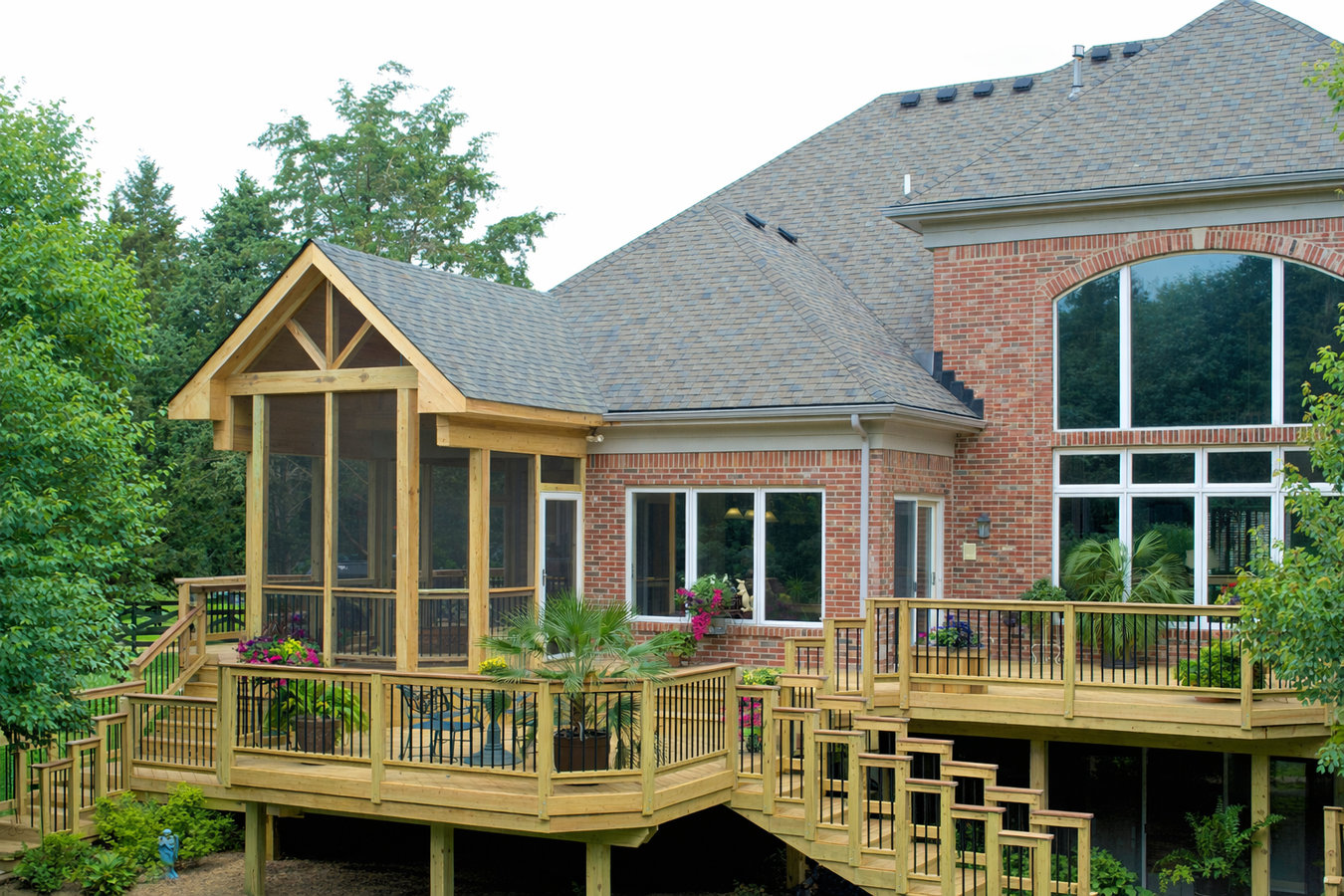
Your existing deck may already be the footprint you need. We assess the structure, handle all permits, and enclose Compton decks into year-round, comfortable sunrooms.
Deck-to-sunroom conversion in Compton means enclosing an existing outdoor deck structure with insulated walls, windows, and a proper roof so it becomes a livable room - most projects take three to eight weeks of active construction once permits are approved, with a total timeline of two to four months including permit review.
A deck conversion differs from a patio conversion in one important way: deck structures are elevated and framed, which means the contractor has to assess whether the existing framing, posts, and footings can carry the added weight of walls and a roof before any enclosure work begins. That structural assessment is the most important step in the whole process. For homeowners who are weighing a deck conversion against a ground-level option, our patio-to-sunroom conversion page explains how the two starting points compare.
Many Compton homes were built between the 1940s and 1970s, and decks added to those homes over the decades vary widely in quality. Some were built to high standards and are solid candidates for enclosure. Others need reinforcement or partial rebuilding before walls can go up. We tell you exactly what we find - before you sign a contract, not after work has started.
If you walk past your back deck from June through September without stepping onto it because it is too hot, that is a strong sign an enclosed, climate-controlled room would actually get used. Compton's intense summer sun makes open decks uncomfortable for a large part of the year. An enclosed sunroom with proper shading and a cooling option changes that completely.
If your family has outgrown the interior of your home but the deck is solid and well-positioned, converting it is often faster and less expensive than building a full room addition from scratch. You already have the footprint - the conversion adds walls, windows, and a roof to what is already there. This is one of the most common reasons Compton homeowners pursue this project.
Warped deck boards, faded paint, or loose railings do not necessarily mean the structure underneath is compromised. If a contractor inspects the framing and footings and finds them sound, a conversion can actually be a smarter investment than a full deck rebuild. The key is getting a structural assessment before you decide which direction to go.
If your deck surface is no longer level, or the concrete at the base of the support posts has cracked or separated, those are signs worth having a contractor look at before any enclosure work begins. In Compton and the surrounding area, the soil under concrete footings can shift over time due to the clay-heavy ground. Catching footing issues early is far less expensive than addressing them after walls and a roof are already in place.
The type of enclosure we build depends on the condition of the existing deck, how you plan to use the room, and your budget. Some homeowners want a fully climate-controlled room with insulated walls, low-e glass, and an independent heating and cooling unit - a true four-season addition they can use on the hottest July afternoon. Others want something closer to a screened enclosure that lets air move freely while keeping insects out and providing shade. When the deck itself needs significant structural work first, that becomes its own phase of the project before enclosure work begins. For homeowners interested in what a full year-round sunroom looks like as a next step, our all season rooms service shows the fully insulated end of what we build. And for homeowners who want to explore the ground-level conversion alternative, our patio-to-sunroom conversion page walks through how a slab-based project compares.
Every project is fully permitted through the City of Compton's Building and Safety Division. We submit the permit application, coordinate all city inspections, and close out the permit when construction is complete. That documentation is what makes your investment real - verifiable at resale, during a refinance, and for your homeowner's insurance.
For decks that need framing or footing work before walls can go up - we address the structure first and then complete the enclosure as one integrated project.
For decks in good structural condition - framing is sound, footings are solid - we move directly to wall framing, windows, and roofing without rebuilding work first.
For homeowners who want a fully climate-controlled room with insulated walls, low-e glass, and an independent heating and cooling unit that works year-round.
For homeowners who want shade and insect protection without full climate control - screened panels and solid framing convert the deck into a comfortable outdoor room.
Compton's climate sits in the heart of the Los Angeles Basin, where summers push regularly into the 90s and the sun is intense for most of the year. An open deck in this climate is uncomfortable from June through September - shaded and enclosed, that same space becomes useful twelve months a year. The National Association of Home Builders at nahb.org regularly documents the value that enclosed outdoor living spaces add to residential properties in warm-weather markets like Southern California. Homeowners in nearby Lynwood and Paramount face the same conditions - mild winters and hot summers that reward having an enclosed, comfortable outdoor room.
The structural side of Compton deck conversions deserves attention. Much of the Los Angeles Basin, including Compton, sits on clay-heavy soils that expand when wet and shrink when dry - a cycle that gradually shifts concrete footings over time. Older decks in Compton often show the effects: slight leaning, cracked concrete at post bases, or surfaces that are no longer level. Any of these conditions need to be addressed before a roof and walls go on top. We assess the footings as part of the initial site visit and include any needed work in the written estimate - not as a change order after construction has started.
We respond to all new project inquiries within one business day. The first conversation is a brief phone call where you describe your deck - its size, approximate age, and what you want the finished room to do. We schedule a site visit from there. No estimate is given without seeing the deck and its framing in person.
During the site visit, we measure the deck, inspect the framing, posts, and footings, and assess how the new room will connect to your home's exterior. We are looking at things you may not think to check - how the roof line will tie in and where electrical connections might run. Within about a week, you receive a written estimate broken down by scope.
Once you sign a contract, we submit the permit application to the City of Compton's Building and Safety Division on your behalf. Plan review typically takes three to eight weeks. Use the waiting period to finalize your window choices, clear the deck area, and decide on your heating and cooling approach. We notify you as soon as the permit is approved.
Construction starts with any structural preparation - reinforcing posts, adding footings, or replacing compromised framing. Then comes wall framing, windows, roofing, insulation, electrical, and interior finishing. City inspectors visit at scheduled stages. When the project passes its final inspection, we walk through every detail with you before the permit is closed out.
We respond within one business day. No pressure, no sales pitch - just an honest conversation about your deck, what the structure needs, and what the project will cost.
(424) 447-1306A deck conversion that goes wrong almost always traces back to a skipped or superficial structural assessment at the start. We inspect the framing, posts, and footings before we give you a price. If the deck needs reinforcement or footing work, that is included in the estimate - not discovered mid-project as a change order.
Every project goes through the City of Compton's Building and Safety Division permit process. An independent city inspector reviews and approves the work at key stages. You receive documentation proving the addition was done correctly and is on your property record - which matters when you sell, refinance, or file an insurance claim.
The soil under Compton decks is clay-heavy and shifts over time - a condition that gradually cracks footings and causes decks to lean. We account for this during the initial assessment and address any footing issues before enclosure work begins. Skipping this step leads to a room that shifts or cracks within a few years. The California Geological Survey at conservation.ca.gov documents how these soils affect structures across the region.
One of the most common frustrations homeowners describe after a remodel is feeling left in the dark. You receive a written project timeline at the start, updates when inspections are scheduled, and a direct line to your project lead throughout construction. The number you agree to at contract signing is the number on the final invoice, barring changes you request during the project.
Deck conversions in Compton involve more variables than most homeowners expect going in - the structure under the deck is the whole foundation of what gets built on top. Getting that part right is what separates a room that performs for decades from one that becomes a source of regret.
Fully insulated, climate-controlled rooms that can be built on an existing deck footprint - the most capable version of what a deck conversion can become.
Learn MoreIf your outdoor space is a ground-level concrete slab rather than an elevated deck, see how the conversion process and structural requirements differ.
Learn MorePermit slots fill up - the sooner we submit your plans, the sooner your new room is ready. Call or submit a request and we will respond within one business day.