
Loading...
Serving Compton, CA and surrounding areas. (424) 447-1306
Compton Sunrooms & Patios builds enclosed patio rooms, sunroom additions, and patio enclosures for homeowners throughout Lakewood, CA. We have served the greater Los Angeles area since 2018 and handle all City of Lakewood building permits from the initial application through the final inspection.
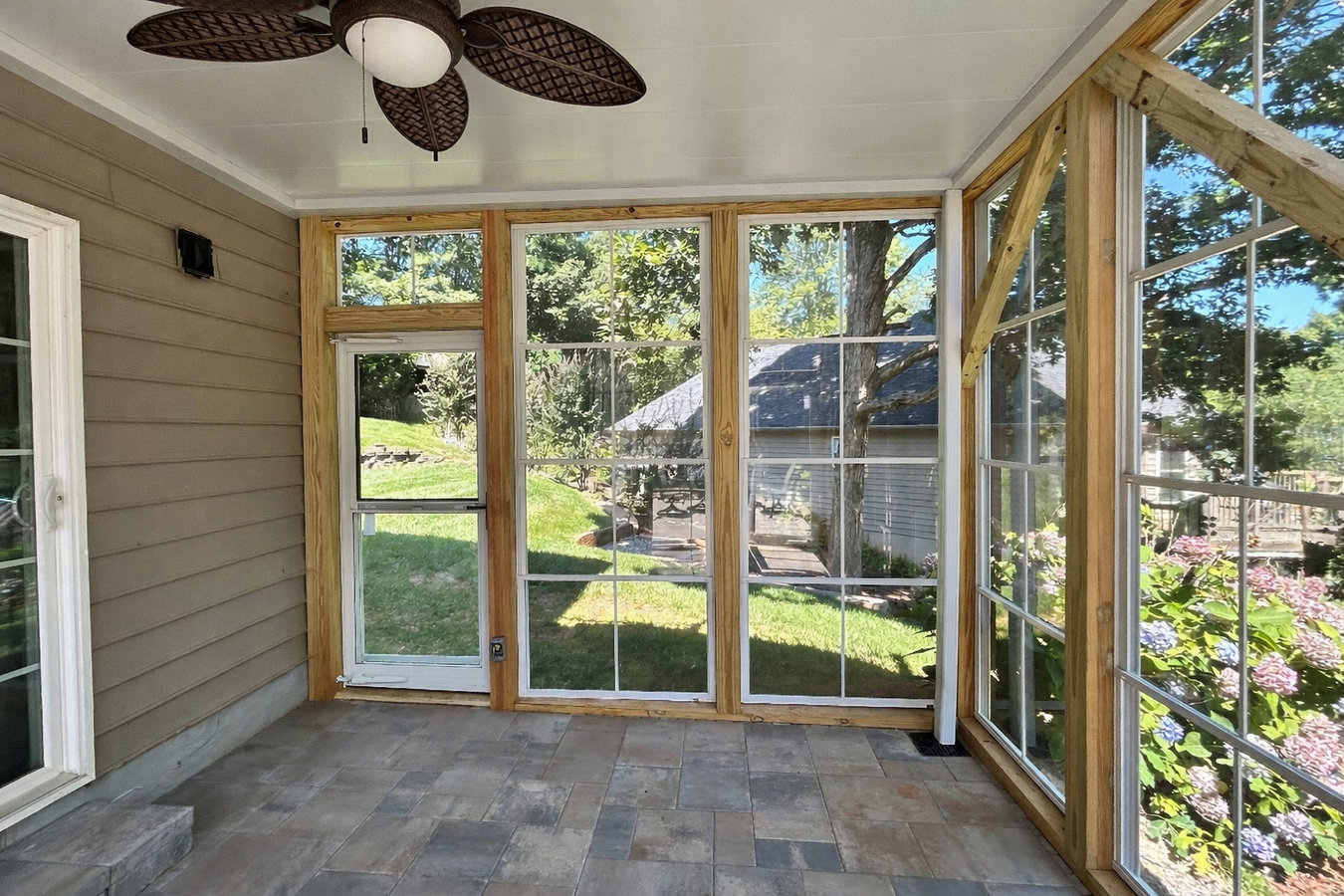
Most Lakewood homes were built in the early 1950s with a back patio slab that has sat exposed for 70-plus years. An enclosed patio room puts solid glazed walls and a weatherproof roof over that existing slab - adding a protected, year-round space without a new foundation or a major structural addition to a home where the lot leaves little room to expand.
Where a Lakewood lot allows, a full sunroom addition extends the home's footprint and adds year-round conditioned living space. We start from the slab up, accounting for the city's postwar foundation style and clay soil conditions so structural prep is part of the plan from day one rather than a surprise mid-project.
A patio enclosure covers the existing back slab with walls and a roof, creating a weather-protected room that handles Lakewood's wet winters, dusty Santa Ana winds, and long summer sun without requiring a full HVAC connection. It is a practical upgrade for homeowners who want the space usable on both ends of the year.
Lakewood has a long outdoor season, but insects and the dry, gritty Santa Ana winds that roll through every fall make an open patio less pleasant than it should be. A screen room keeps the air moving, filters out debris and insects, and makes the back patio reliably comfortable from early spring through late fall.
A fully insulated four season sunroom on a Lakewood property is a year-round room - useful in the morning fog, through the dry summer heat, and on into the cooler, wet winter months. For a 1950s ranch home where square footage is limited, converting the back patio into conditioned space is one of the more practical ways to gain livable room.
A patio cover shades Lakewood's south- and west-facing slabs during the long, sunny summers and keeps rain off the concrete during the wet season - two things that extend the life of the original slab and make the backyard usable across more months. It stands alone as a useful upgrade or serves as the first phase of a full enclosure later.
Lakewood is unusual in Los Angeles County because nearly the entire city was built in a single four-year period, between 1950 and 1954. That construction timeline means almost every home in Lakewood is now 70-plus years old. The original concrete patios, driveways, and walkways on these properties are the same age - and concrete of that vintage, sitting on clay-heavy soil, commonly shows cracking, settling, and surface spalling that homeowners may not notice until they start planning a project. Before we design any sunroom or enclosure on a Lakewood property, we inspect the existing slab, because a compromised surface cannot carry a new structure without preparation first.
Lakewood's climate adds two additional stress factors. Santa Ana wind events in fall and winter bring gusts that can exceed 50 mph, and those winds are hard on loose roofing panels, poorly sealed screen rooms, and exterior caulk that has dried out over a long, rainless summer. The wet season runs from November through March and delivers most of the city's annual rainfall onto soil that has been bone-dry for months - which means water accumulates quickly around foundations and in low spots in the yard before it can drain. We build for both extremes in every Lakewood project, using fasteners and sealants rated for the conditions rather than whatever is cheapest off the shelf.
Our crew works throughout Lakewood regularly, and we understand the local conditions that affect sunroom contractor work here. Because so many Lakewood homes were built to the same basic design in the early 1950s, the challenges we encounter repeat from property to property - original slab patios that have shifted over time, mature trees with roots pushing into concrete, and tight access between homes that requires careful staging. We plan for all of it before the first crew member shows up.
Lakewood Center mall is one of the best-known landmarks in the city - one of the first large regional shopping malls built in the United States, opened in 1952, and still the civic and commercial heart of the community. Lakewood Park is the main public gathering space for families. The City of Lakewood manages its own building permits and inspections, and we pull permits there regularly for the enclosed patio room and sunroom projects we do in the city. Whether your home is a few blocks from Lakewood Center or on the quieter streets near the Cerritos border, we have likely worked nearby.
We also serve homeowners in Norwalk to the north and Compton to the west, both of which have similar postwar housing stock and clay soil conditions to those found throughout Lakewood.
We ask a few questions about your Lakewood home, your existing slab or patio, and what you want to accomplish. You will hear back within one business day. No deposit or commitment is required to start the conversation.
We visit your Lakewood property, inspect the existing concrete slab or patio area, check for clay soil cracking and root intrusion from mature trees, and measure the space. A detailed written estimate follows within a few days - and we talk through cost directly at this visit, including any slab prep that is required, before anything is signed.
We prepare and submit the building permit application to the City of Lakewood's building department. You do not need to visit City Hall. We track the review and let you know when the permit is approved so construction can begin.
We build to City of Lakewood code requirements, coordinate all required inspections, and do a final walkthrough with you when the project is complete. You receive the signed permit documents for your records.
We serve Lakewood homeowners year-round and respond within one business day. No commitment required to get a written estimate.
(424) 447-1306Lakewood is a city of about 80,000 residents in Los Angeles County, bordered by Long Beach, Bellflower, Cerritos, and Norwalk. It was developed almost entirely between 1950 and 1954, making it one of the largest planned housing tracts ever built in the United States - nearly 17,500 homes constructed in just a few years. The result is a city of remarkable uniformity: block after block of single-story ranch houses on similar lots, most around 5,000 to 6,000 square feet, with mature trees that were planted when the homes were new and have since grown large enough to push roots into driveways and sidewalks. About 60% of Lakewood households are owner-occupied, which is above average for the Los Angeles metro. Many families have lived in the same home for decades. The history of Lakewood as a planned community is well documented and is one of the more interesting suburban development stories in Southern California.
Despite sharing a long border with Long Beach, Lakewood incorporated as its own city in 1954 and has maintained a distinct identity and separate city government ever since. Lakewood Center, one of the first regional malls in the country, and Lakewood Park, the city's main public green space, are the two landmarks most residents know immediately. For homeowners looking to add living space, the city's small lot sizes and tight spacing between homes mean that enclosing an existing back patio is often the most practical and cost-effective path. Neighboring Downey to the north shares a similar vintage housing profile, and we regularly work across both cities for homeowners with comparable projects.
We cover all of Lakewood and the surrounding Los Angeles County area. Call today or fill out the form and we will respond within one business day.